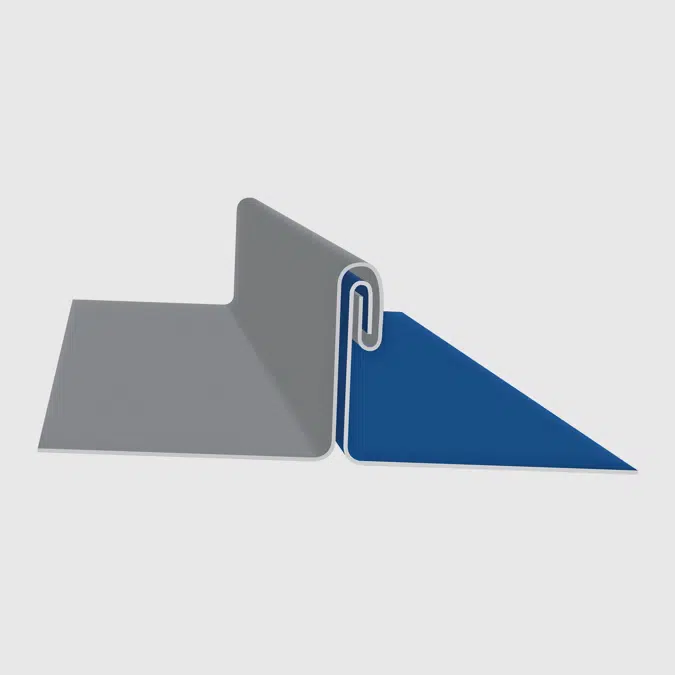
Why Sheffield Metals invested in BIM
Wendy sums it up in one line: "Our goal is to get rid of friction." Sheffield Metals wanted design with their products to feel simple, so they built BIM content instead of leaving architects to recreate products by hand from spec sheets and technical documentation.
The BIM objects work as a drag-and-drop download. An architect pulls the file into their project model, and it's ready to use. From there, architects, engineers, contractors, and installers can reference the same product information as the project moves forward.
Learn about the key players in BIM projects.
That single download carries more than the 3D shape. Wendy points to installation manuals, color chip options, clips and cleats, substrate compatibility, and product videos, all attached to the same listing instead of scattered across separate downloads or phone calls.
It also carries the performance data, dimensions, wind uplift ratings, fire ratings, and the testing required to meet local building codes. As Wendy puts it, "everything is basically right there in BIM for you." A generic roof component reserves space in a model but tells an architect nothing about it. A manufacturer-authored object comes with it already attached, which is where architects save real time, not hunting down each piece on its own.
That data only helps if it's current. Wendy points architects to a trusted source, whether that's BIMobject or the Sheffield Metals Architect Hub, so they're always working from the latest version of a file rather than one that's been sitting in a shared drive for two years.
Learn why BIM content needs maintenance.